
Understanding Singer Sewing Machine Prices
When it comes to choosing a sewing machine, one of the most important factors to consider is price. Singer, a name synonymous with quality sewing machines, offers a wide range of models with varying prices to suit different budgets and needs. Whether you are a beginner, an intermediate hobbyist, or a professional seamstress, understanding the factors that influence Singer sewing machine prices will help you make an informed decision. In this article, we will explore the different types of Singer sewing machines, the key features that affect their price, and provide some tips for getting the best value for your money.
Understanding Singer Sewing Machine Prices
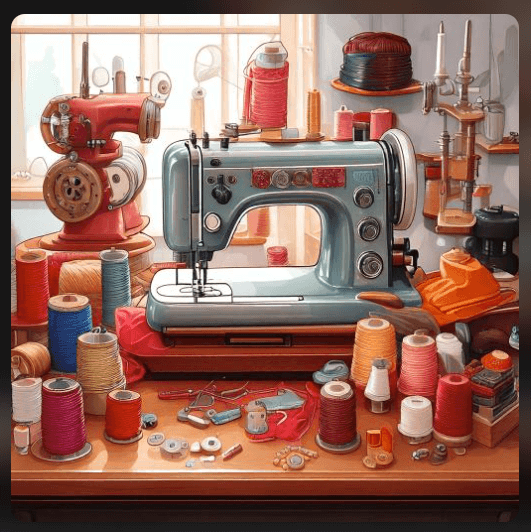
1. Factors That Influence Singer Sewing Machine Prices
The price of a Singer sewing machine is influenced by several factors, including the model type, features, and intended usage. Understanding these factors can help you determine which machine offers the best value for your needs.
a. Model Type
Singer offers a range of sewing machines, from basic models designed for beginners to advanced, high-performance machines aimed at professional sewers. Here’s a breakdown of different Singer sewing machine models and their price categories:
Entry-Level Machines: These are basic models ideal for beginners. They offer essential features like straight stitching, zig-zag stitches, and a few decorative stitches. These machines are usually priced lower, ranging from $100 to $200. They are lightweight, easy to use, and perfect for everyday sewing projects like hemming, mending, and simple garments.
Mid-Range Machines: These machines come with more advanced features, such as automatic needle threading, built-in stitches (including more decorative options), and additional accessories. Prices for mid-range Singer sewing machines typically range from $200 to $500. They are suited for hobbyists and those who sew regularly, offering a balance of functionality and affordability.
Professional and Heavy-Duty Machines: These machines are designed for serious sewists and professionals. They feature robust metal frames, powerful motors, a wide variety of built-in stitches, and advanced sewing capabilities. Heavy-duty models can handle thick fabrics like denim or leather. These machines are priced between $500 and $1,000 or more, depending on the features and build quality.
b. Features
The number and type of features that a Singer sewing machine offers are directly linked to its price. Basic models may offer only the most essential stitching functions, while higher-end models provide a wide range of features, including:
Built-in Stitches: A machine with more built-in stitch options will usually cost more. Basic models might have 6-10 stitches, while advanced models can have 100 or more stitches, including decorative, stretch, and buttonhole stitches.
Automatic Needle Threader: An automatic needle threader saves time and frustration, especially for those with vision problems. Machines with this feature tend to be pricier than basic models.
LCD Display: Some Singer machines come with an LCD screen to display stitch settings, helping users select the right stitch for their projects. These machines tend to cost more due to their modern technology.
Adjustable Stitch Length and Width: Machines with the ability to adjust stitch length and width offer more versatility, allowing users to customize their stitches for different fabric types. This feature is often found in mid-range and professional models.
Extension Tables and Attachments: Some Singer models come with extension tables, quilting feet, walking feet, and other attachments that increase the machine’s functionality. These attachments can raise the price of the machine but are ideal for users who need extra tools for specific tasks.
Metal Frame vs. Plastic Frame: Machines with a metal frame tend to be sturdier and more durable, which can make them more expensive. On the other hand, models with plastic frames are lighter and more affordable but may not have the same long-term durability.
c. Intended Usage
The price of a Singer sewing machine is also influenced by its intended usage. Machines designed for heavy-duty tasks, such as quilting, embroidery, or working with thick fabrics, are usually more expensive than those designed for basic, everyday sewing tasks. For instance:
Quilting Machines: Quilting machines come with specialized features like a larger throat space, quilting feet, and a higher stitch count. These machines can range from $250 to $800, depending on the model.
Embroidery Machines: Singer offers embroidery machines that can automatically stitch intricate designs. These machines often come with a higher price tag, typically ranging from $400 to $1,000.
Heavy-Duty Machines: If you need a sewing machine that can handle heavy fabrics like denim, canvas, or leather, a heavy-duty Singer model will be ideal. These machines are built with powerful motors and reinforced frames, making them more expensive, often priced between $500 and $1,000.
2. Tips for Choosing the Right Singer Sewing Machine
Now that we have a clear understanding of what affects Singer sewing machine prices, here are some tips for choosing the right machine based on your budget and needs:
a. Set a Budget
Before purchasing a Singer sewing machine, it’s essential to set a budget. Determine how much you’re willing to spend and stick to it. Keep in mind that a higher-priced machine doesn’t always guarantee better results if you only need a machine for basic tasks. A lower-priced model may be sufficient for light sewing and occasional use.
b. Identify Your Needs
Consider your sewing needs and what features you value most. If you’re a beginner, you may not need a machine with 100 built-in stitches. On the other hand, if you plan to take up quilting or embroidery, a machine with specialized features will be worth the investment. Choose a model that fits your skill level and the type of projects you plan to work on.
c. Look for Deals and Discounts
Singer machines can often be found at discounted prices during major sales events or through online promotions. Shop around and compare prices from different retailers, both online and in-store. Be sure to check for bundle deals, which may include extra accessories or attachments that can add value to your purchase.
d. Read Reviews
Reading reviews from other customers who have purchased the Singer sewing machine you’re interested in can help you gauge the performance and reliability of the machine. Look for feedback on durability, ease of use, and overall satisfaction.
e. Consider Long-Term Value
While it may be tempting to purchase a cheaper Singer model, consider the long-term value of your investment. A higher-quality machine with more advanced features may have a higher upfront cost but could save you money in the long run by lasting longer and offering more versatility.
3. Conclusion
Singer sewing machines offer a wide range of options for all kinds of sewists, from beginners to professionals. The price of a Singer sewing machine depends on factors like the model type, features, and intended usage. By understanding these factors and setting a clear budget, you can find the perfect Singer machine that meets your needs without breaking the bank. Whether you’re just starting out or looking to upgrade your sewing equipment, Singer has something for everyone at a price that suits your requirements.

